Affiliates: Invertebrates

The 2023 IPBES Invasive Species Assessment indicates that more than 3,500 invasive species with documented negative impacts have been recorded worldwide. Although their numbers are likely to be underestimated and expected to increase, 1,852 invertebrate species contribute to that statistic, including insects, spiders, mollusks, worms, and more.

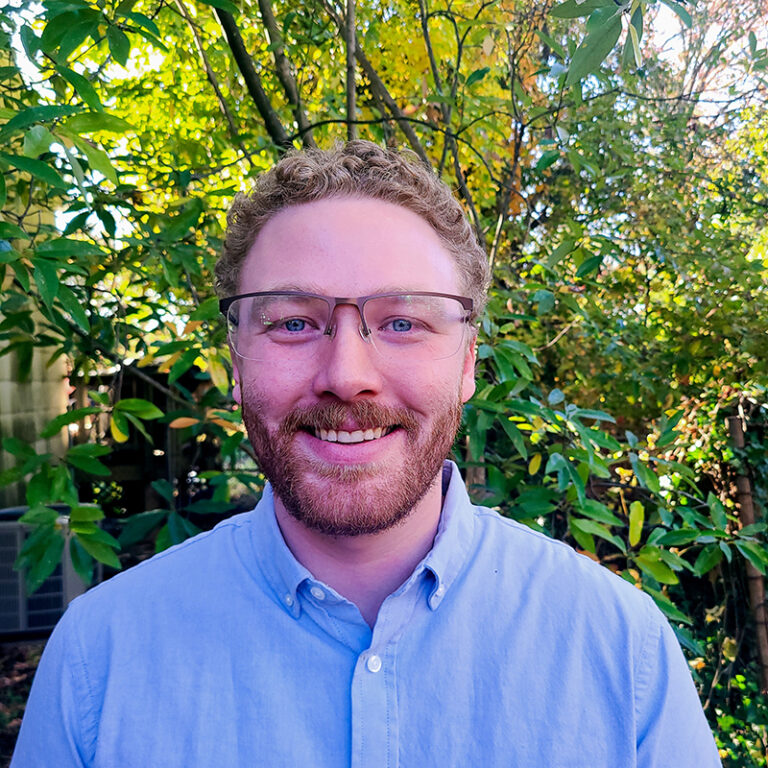
Headshot of Evans Ahenkorah

Evans Ahenkorah

Master’s Student
School of Visual Arts

Ahenkorah’s work blends art and ecology, focusing on invasive plants and the ecosystems they disrupt. Using natural materials and processes, he creates pieces that reveal the connections between humans and the environment.

Thematic Area(s):

  • Arts & humanities
  • Biology, ecology, & ecosystem dynamics
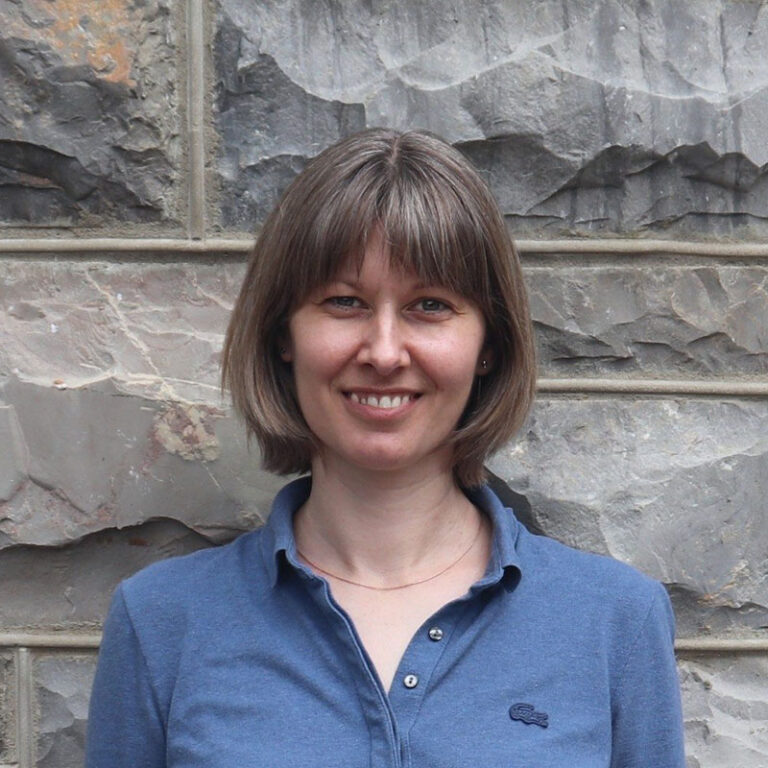
Headshot of Shane Allan

Shane Allan

Master’s Student
Department of Forest Resources and Environmental Conservation

Allan is investigating how prescribed burns affect the spread of laurel wilt, an invasive insect-vectored fungal disease caused by Harringtonia lauricola.

Thematic Area(s):

  • Biology, ecology, & ecosystem dynamics

  • Detection, management, prevention, & eradication
  • Restoration ecology
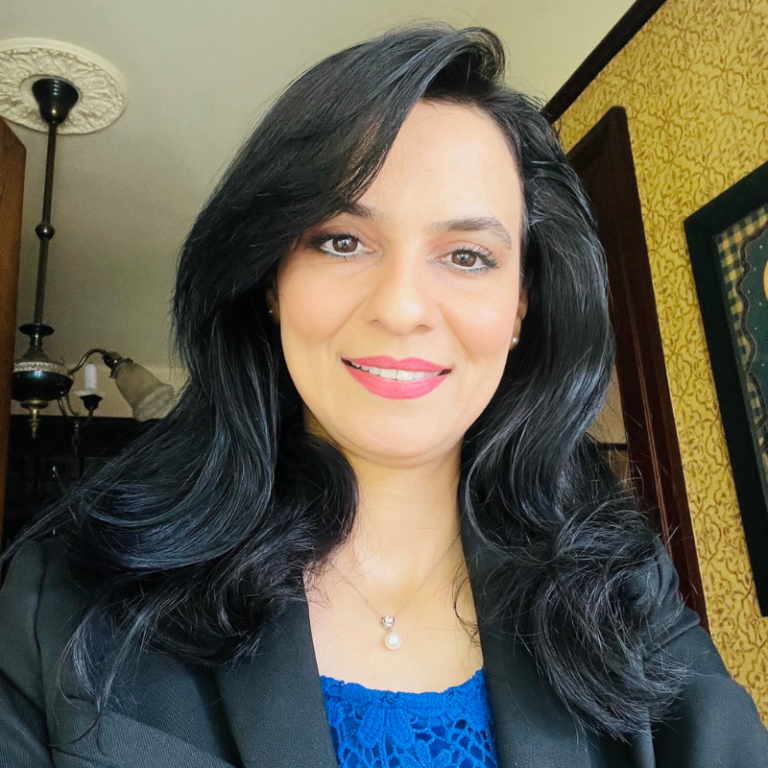
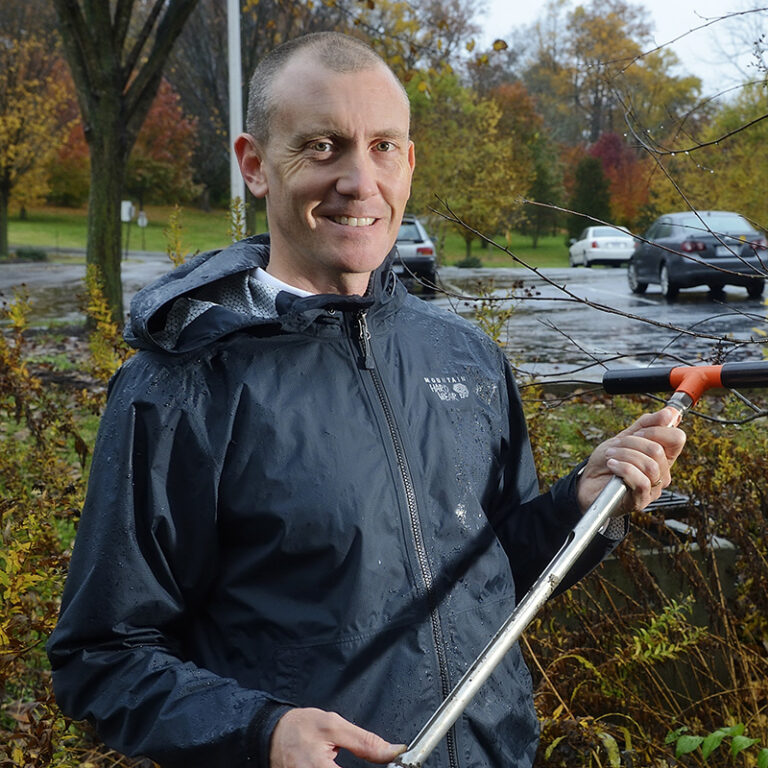
Headshot of Olivia Andrews

Olivia Andrews

Ph.D. Student
Department of Entomology

Andrews’ research focuses on the biological control of Hemlock Woolly Adelgid (HWA). She is specifically establishing populations and studying the biology of two specialist predators of HWA, Leucotaraxis argenticollis and Leucotaraxis piniperda, in the eastern United States.

Thematic Area(s):

  • Biology, ecology, & ecosystem dynamics
  • Detection, management, prevention & eradication
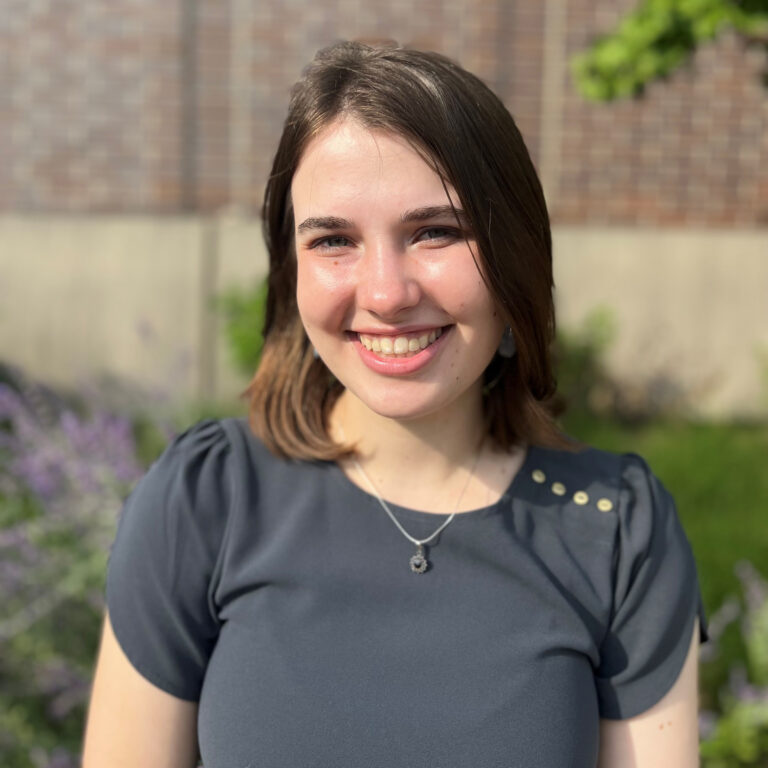
Headshot of Dr. Brian Badgley

Dr. Brian Badgley

Associate Professor
School of Plant and Environmental Sciences

Dr. Badgley and his lab conduct research in environmental microbiology with a particular focus on how populations and communities of microorganisms impact water and soil quality.

Thematic Area(s):

  • Biology, ecology, & ecosystem dynamics
  • Genetics, genomics, & community/population structure
  • Restoration ecology
Headshot of Camille Block

Camille Block

Master’s Student
Department of Entomology

Block uses the common bed bug (Cimex lectularius), an invasive urban pest, to study urban evolutionary processes. Such processes include invasion dynamics, the genomics of establishment, and patterns of gene flow and genetic structure.

Thematic Area(s):

  • Biology, ecology, & ecosystem dynamics

  • Detection, management, prevention, & eradication
  • Genetics, genomics, & community/population structure

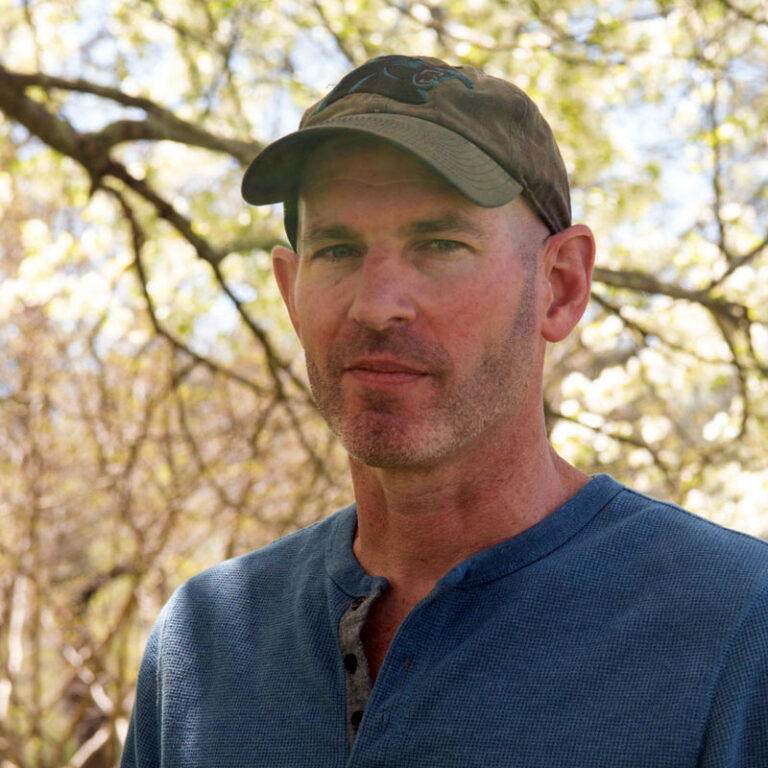
Headshot of Dr. Warren Booth

Dr. Warren Booth

Associate Professor
Department of Entomology

Dr. Booth’s research explores how organisms adapt and evolve within urban environments, using invasive indoor urban pest insects (most notably bed bugs) as model systems of study.

Thematic Area(s):

  • Biology, ecology, & ecosystem dynamics
  • Detection, management, prevention, & eradication
  • Genetics, genomics, & community/population structure
Headshot of Dr. Bryan Brown

Dr. Bryan Brown

Associate Professor
Department of Biological Sciences

Dr. Brown’s research focuses on aquatic ecology, including community ecology and biodiversity, metacommunity structure and assembly, and the impact of invasions on symbiotic interactions.

Thematic Area(s):

  • Biology, ecology, & ecosystem dynamics

  • Genetics, genomics, & community/population structure
Headshot of Dr. Mohammad Mihrab Uddin Chowdhury

Dr. Mohammad Mihrab Uddin Chowdhury

Visiting Assistant Professor
Department of Mathematics

Dr. Chowdhury develops mathematical and computational models to investigate complex biological and ecological systems, with applications in epidemiology and public health. Some of his more recent work includes studying fungal pathogen transmission in North American salamanders and analyzing the dynamics of mosquito-borne diseases.

Thematic Area(s):

  • Biology, ecology, & ecosystem dynamics

  • Detection, management, prevention, & eradication

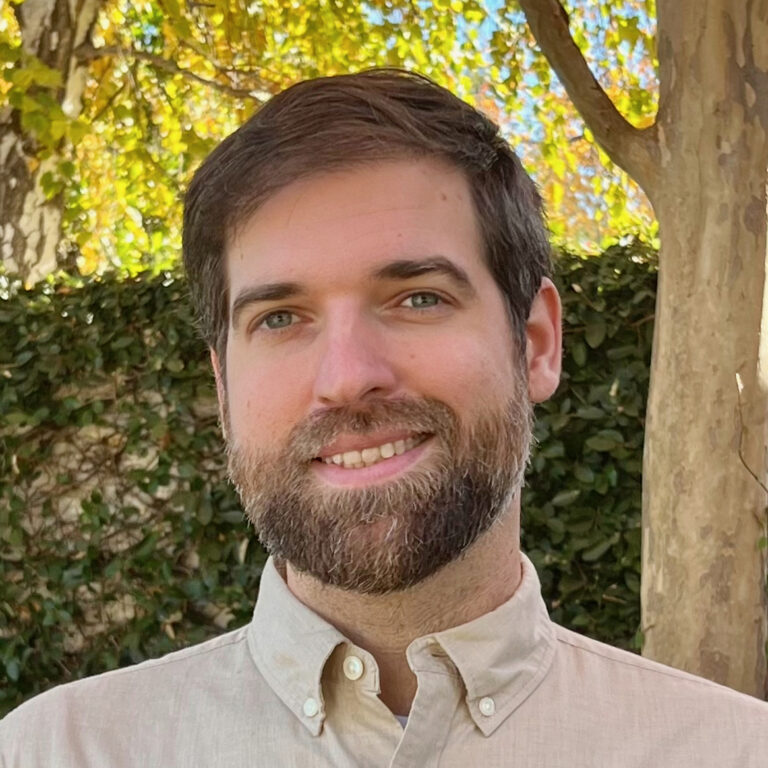
Headshot of Dr. Kelly Cobourn

Dr. Kelly Cobourn

Associate Professor
Department of Forest Resources and Environmental Conservation

 Dr. Cobourn’s research involves integrating biological models of pest dynamics with economic models of human decision making to understand what factors drive the spread of invasive species and what policy instruments effectively and efficiently slow or halt spread.

Thematic Area(s):

  • Economics & policy
  • Biology, ecology, & ecosystem dynamics
  • Detection, management, prevention, & eradication
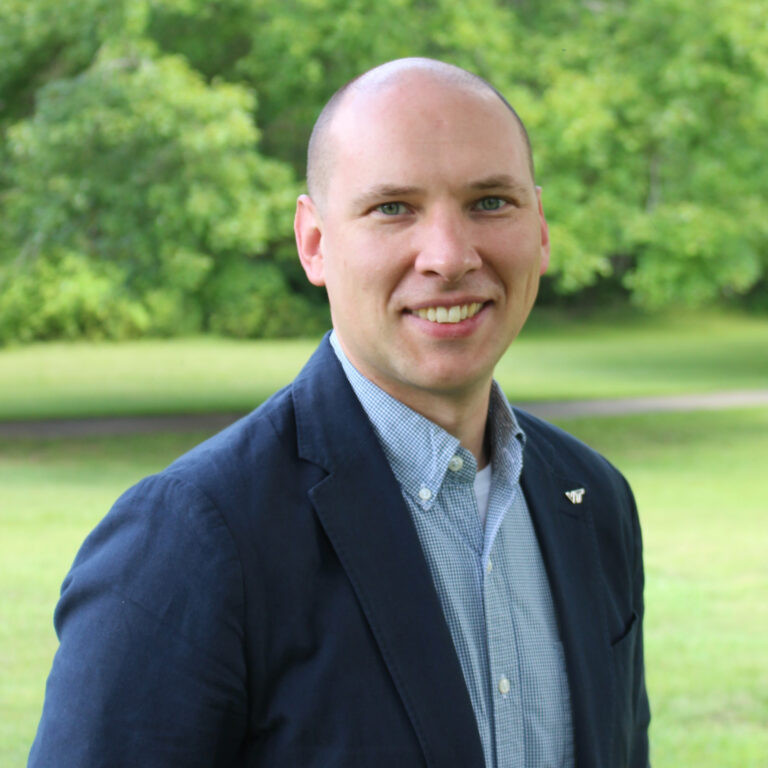
Headshot of Dr. Robert Cooper

Dr. Robert Cooper

Assistant Professor
Department of Fish and Wildlife Conservation

Dr. Cooper uses genomic techniques to understand the health of populations and their resilience to anthropogenic pressures, including invasive species and habitat alteration.

Thematic Area(s):

  • Biology, ecology, & ecosystem dynamics
  • Detection, management, prevention, & eradication
  • Genetics, genomics, & community/population structure

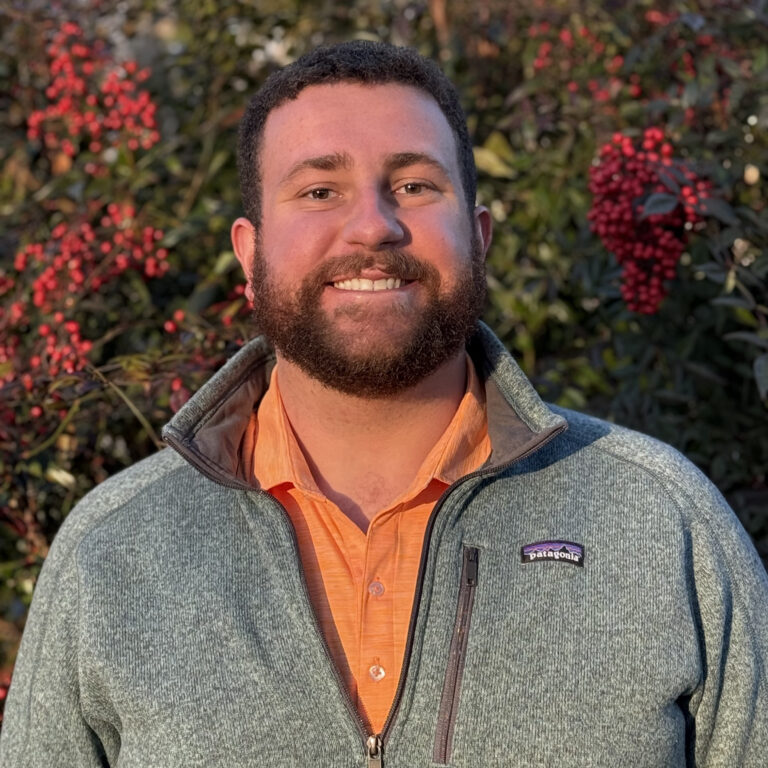
Headshot of Dr. Jon Czuba

Dr. Jonathan Czuba

Associate Professor
Department of Biological Systems Engineering

Dr. Czuba’s research focuses on the transport of water and sediment in streams and rivers and how that affects the distribution of invasive and native aquatic species, including fish, macroinvertebrates, freshwater mussels, and plants.

Thematic Area(s):

  • Biology, ecology, & ecosystem dynamics
  • Restoration ecology
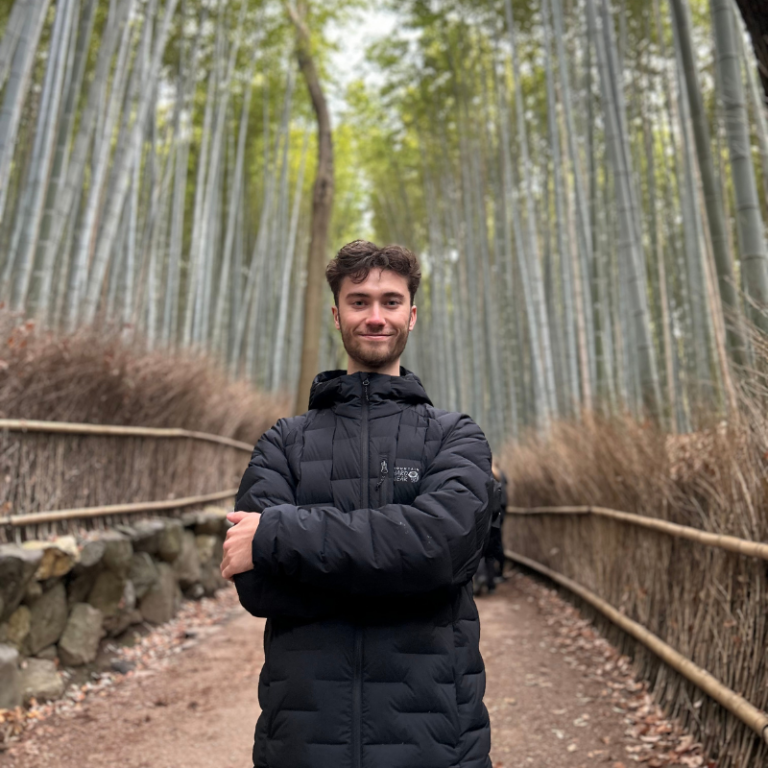
Headshot of Taylor Darnell

Taylor Darnell

Ph.D. Student
Department of Entomology

Darnell’s research goals focus on providing cost-effective, environmentally sound management practices for aquatic (specifically submerged plants), natural areas, and right-of-way plant species. Such species include Cogongrass, Phragmites, and Japanese Knotweed.

Thematic Area(s):

  • Biology, ecology, & ecosystem dynamics
  • Detection, management, prevention, & eradication
  • Restoration ecology

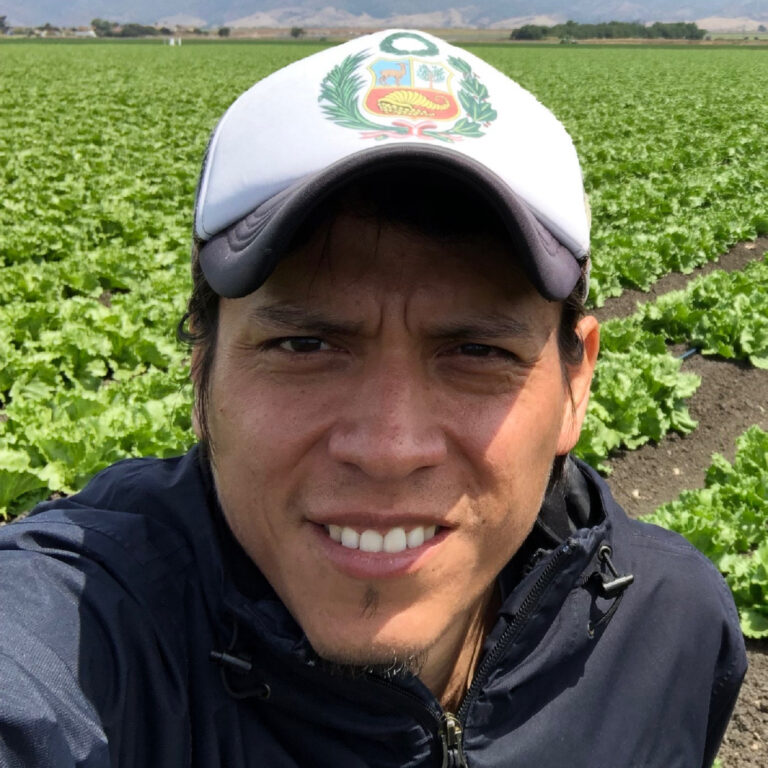
Headshot of Dr. Alejandro Del-Pozo

Dr. Alejandro Del-Pozo

Assistant Professor
Department of Entomology, Hampton Roads AREC

Dr. Del-Pozo is an applied insect ecologist, leading efforts to implement pest management solutions for turfgrass and ornamental stakeholders across Virginia.

Thematic Area(s):

  • Biology, ecology, & ecosystem dynamics
  • Detection, management, prevention, & eradication

Headshot of Dr. Sally Dicksinson

Dr. Sally Dickinson

Postdoctoral Researcher
Applied Animal Behavior and Welfare

Dr. Dickinson’s research focuses on the welfare and performance of conservation and agricultural detection dogs. Her most recent project explores how volunteer dog-handler teams — made up of everyday people and their pets — can effectively detect spotted lanternfly egg masses.

Thematic Area(s):

  • Community engagement & science communication
  • Detection, management, prevention, & eradication

Headshot of Dr. Jon Eisenback

Dr. Jonathan Eisenback

Professor
School of Plant and Environmental Sciences

Dr. Eisenback’s research focuses on plant-parasitic nematodes.

Thematic Area(s):

  • Biology, ecology, & ecosystem dynamics

  • Detection, management, prevention, & eradication
Headshot of Dr. Stacy Endriss

Dr. Stacy Endriss

Assistant Professor
Department of Entomology

Dr. Endriss is an evolutionary ecologist with a passion for understanding the evolution, ecology, and impacts of introduced plants, especially in the context of species invasion and dispersal.

Thematic Area(s):

  • Biology, ecology, & ecosystem dynamics
  • Community engagement & science communication
  • Detection, management, prevention, & eradication

Headshot of Dr. Sally Entrekin

Dr. Sally Entrekin

Professor
Department of Entomology

Dr. Entrekin studies how aquatic invertebrate identity and function are changed by human activities on land and in the water.

Thematic Area(s):

  • Biology, ecology, & ecosystem dynamics

  • Community engagement & science communication
  • Restoration ecology
Headshot of Dr. Luis Escobar

Dr. Luis Escobar

Assistant Professor
Department of Fish and Wildlife Conservation

A key component of Dr. Escobar’s research is developing theory and methods to study the biogeography of infectious diseases, disease ecology, and invasion biology. Current projects include bat-borne rabies, chronic wasting disease, spatial epidemiology in the Anthropocene, and disease-biodiversity relationships.

Thematic Area(s):

  • Biology, ecology, & ecosystem dynamics
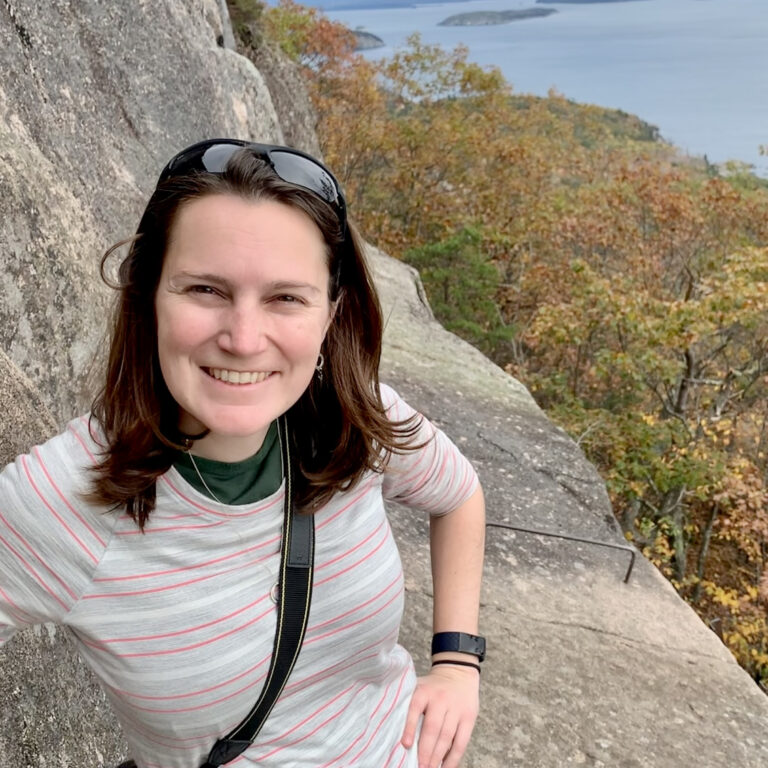
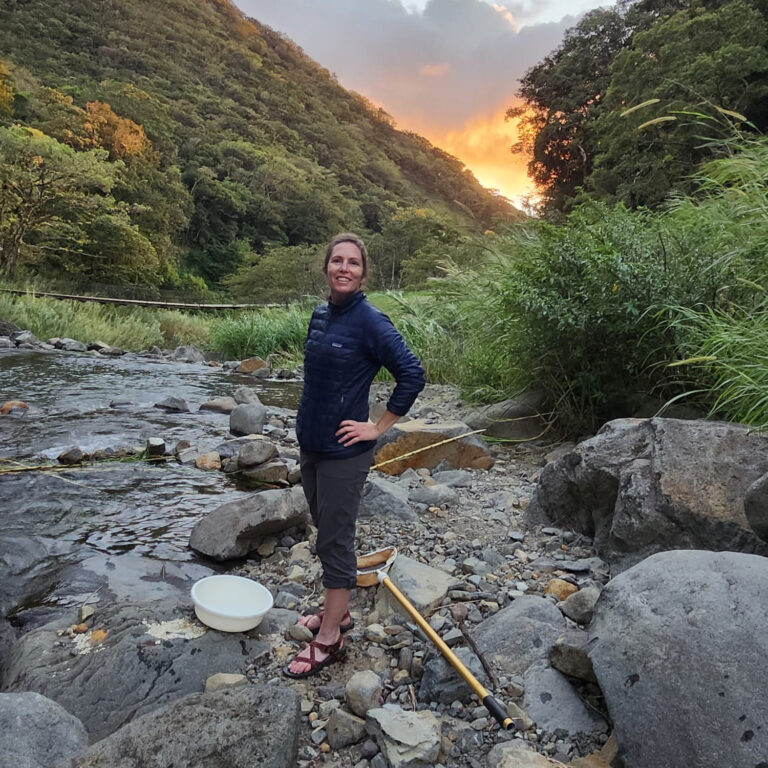
Headshot of Dr. Carrie Fearer

Dr. Carrie Fearer

Assistant Professor
Department of Forest Resources and Environmental Conservation

Dr. Fearer’s research explores the micro- and macro- level impacts of nonnative pathogens on forest ecosystems. She has studied laurel wilt disease, beech bark disease, beech leaf disease, and walnut witches’ broom.

Thematic Area(s):

  • Biology, ecology, & ecosystem dynamics
  • Detection, management, prevention, & eradication
  • Restoration ecology
Headshot of Dr. Daniel Frank

Dr. Daniel Frank

Director
Virginia Tech Pesticide Programs

Dr. Frank provides leadership in securing funding and delivering Extension programs in pesticide safety education, integrated pest management (IPM), and youth outreach.

Thematic Area(s):

  • Detection, management, prevention, & eradication
Headshot of Zach Garnes

Zachary Garnes

Master’s Student
Center for Leadership in Global Sustainability

Garnes brings experience in environmental project management, fisheries data collection, and invasive plant remediation, and is excited to support the ISC’s mission.

Thematic Area(s):

  • Community engagement & science communication
  • Economics & policy
  • Restoration ecology
Headshot of Dr. Enakshi Ghosh

Dr. Enakshi Ghosh

Assistant Professor
Department of Entomology

Dr. Ghosh explores how herbivorous insects interact with their environment, focusing on the ecological and evolutionary forces that shape their behavior, physiology, and immune status. She uses invasive and range-expanding insects as model systems to understand how herbivore defenses evolve in multitrophic contexts, how they use environmental signals to anticipate threats, and what physiological costs accompany these defenses.

Thematic Area(s):

  • Biology, ecology, & ecosystem dynamics
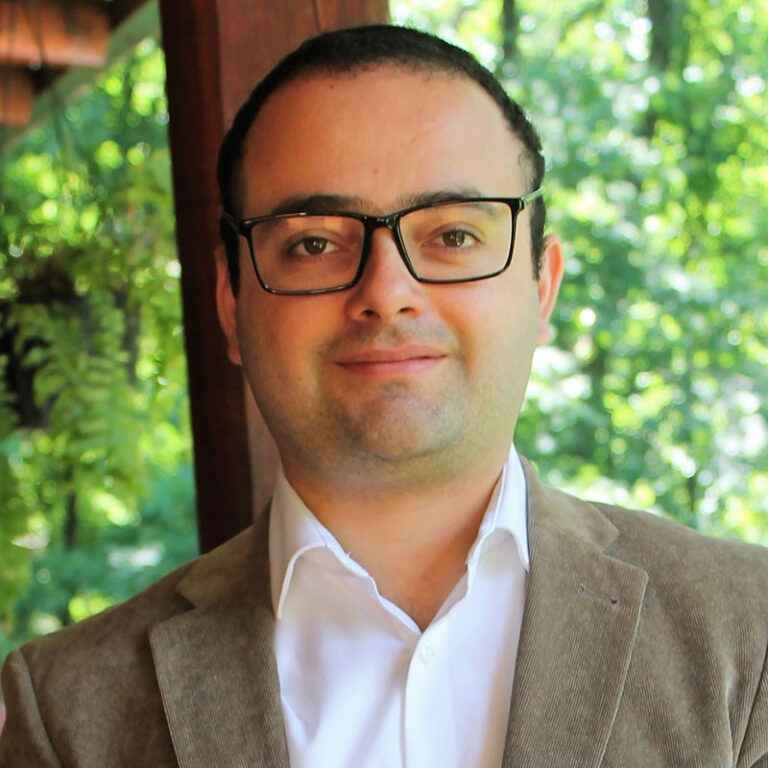
Headshot of Justus Hargett

Justus Hargett

Ph.D. Student
Department of Biological Systems Engineering

Hargett’s research examines the mechanisms driving spatial and temporal variation in streambed habitat and how these dynamics shape the distribution and community structure of crayfish and other aquatic species. His current work investigates how invasive crayfish species, particularly Faxonius cristavarius and F. virilis, exploit natural variation in habitat quality to expand their range into nearby drainages.

Thematic Area(s):

  • Biology, ecology, & ecosystem dynamics
  • Detection, management, prevention, & eradication
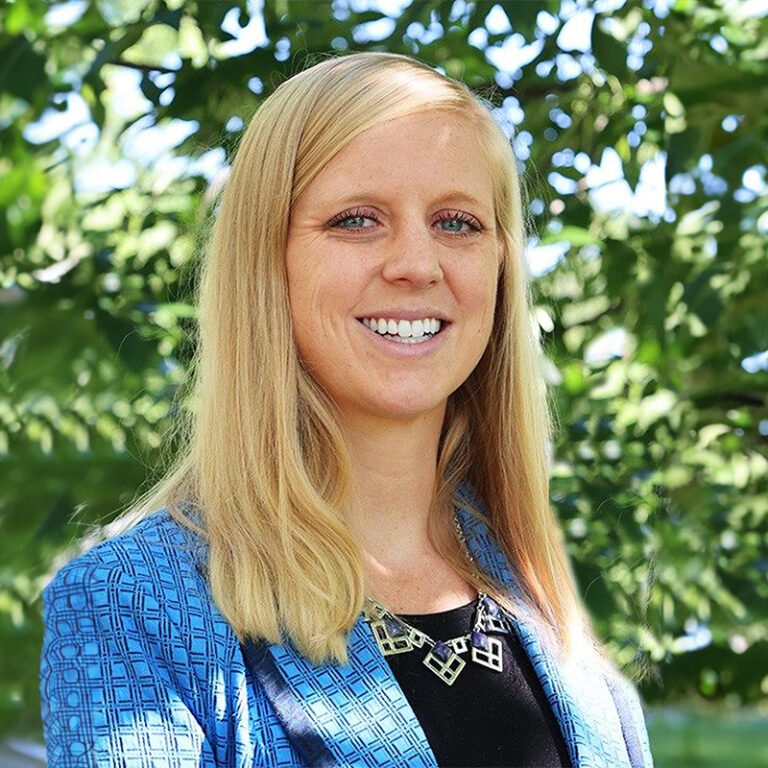
Headshot of Dr. Drew Harner

Dr. Drew Harner

Assistant Professor
School of Plant and Environmental Sciences, Alson H. Smith Jr. AREC

Dr. Harner’s research examines how spotted lanternfly (SLF) affects grapevine biology and physiology, fruit composition traits critical for grape and wine quality, grape production, and vineyard agroecosystems, as well as how interactions between SLF and other major vascular pathogens influence vine biology and functioning.

Thematic Area(s):

  • Biology, ecology, & ecosystem dynamics

  • Community engagement & science communication
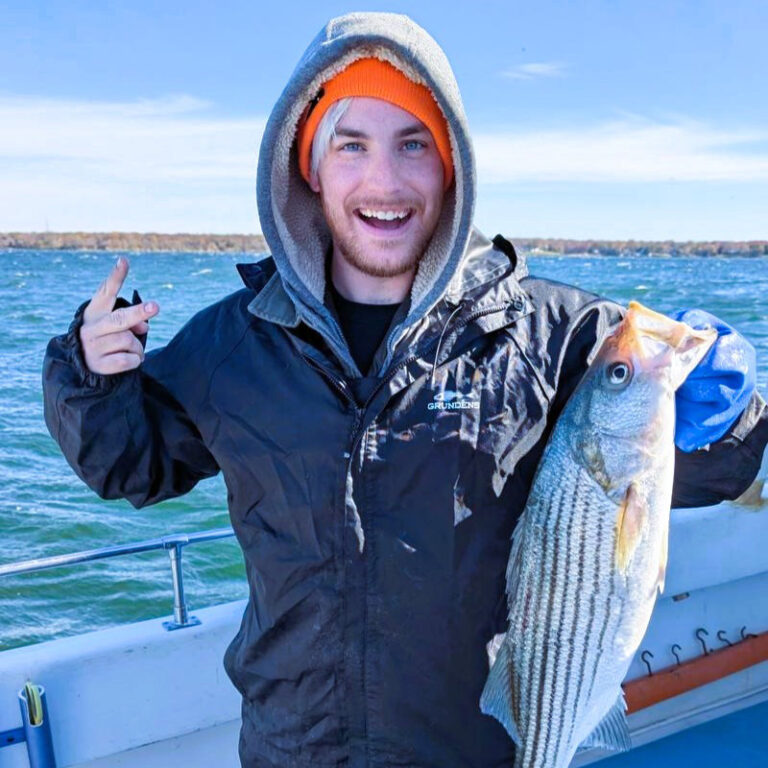
Headshot of Charly Hartle

Charly Hartle

Ph.D. Student
Department of Entomology

Hartle studies the microbiology of invasive and pest ants, as well as how pathogens and microbiomes can influence their behaviors.

Thematic Area(s):

  • Biology, ecology, & ecosystem dynamics
  • Community engagement & science communication
  • Detection, management, prevention, & eradication
Headshot of Erin Hassett

Erin Hassett

Research Support Specialist
Department of Entomology

Hassett serves as the Research Support Specialist for all Endriss Lab students. While assisting with research projects and lab management, she also works on the lab’s science communication, extension, outreach, and public relations efforts.

Thematic Area(s):

  • Biology, ecology, & ecosystem dynamics

  • Community engagement & science communication
  • Social sciences

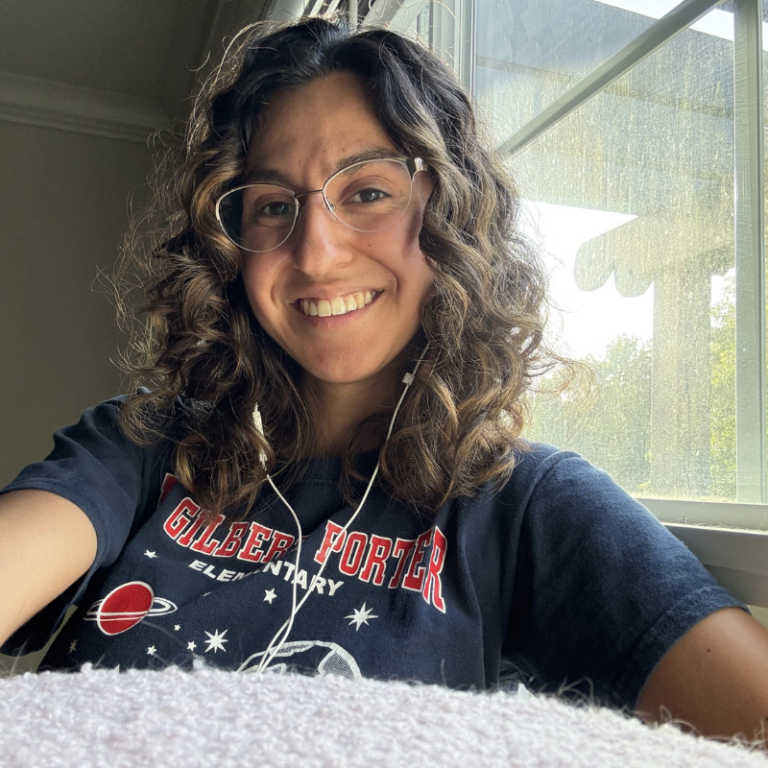
Headshot of Ashton Holliday-Goulart

Ashton Holliday-Goulart

Horticulture & Natural Resources Extension Agent
Virginia Cooperative Extension

Holliday-Goulart has provided educational seminars and workshops on effective methods for removing invasive plant species. She has also contributed to efforts to map and remove invasive species while helping restore native meadow ecosystems. She is based in Virginia Beach, Virginia.

Thematic Area(s):

  • Biology, ecology, & ecosystem dynamics
  • Detection, management, prevention, & eradication
  • Restoration ecology

Headshot of Christen Hughes

Christen Hughes

Ph.D. Student
Department of Biochemistry

Hughes’ research is focused on defining the male-determining locus borders of Asian tiger mosquito (Aedes albopictus) and whether it was inherited from a common ancestor (A. albopictus and A. aegypti).

Thematic Area(s):

  • Genetics, genomics, & community/population structure
Headshot of Aryanna James

Aryanna James

Forest Biological Control Specialist
Department of Entomology

James specializes in the production and study of Laricobius spp. and Leucotaraxis spp. as biological control agents for the invasive hemlock woolly adelgid (HWA). She works with the USDA Forest Service and partner institutions to distribute thousands of HWA predators annually across infested landscapes, supporting efforts to restore and conserve hemlock ecosystems.

Thematic Area(s):

  • Biology, ecology, & ecosystem dynamics
  • Detection, management, prevention, & eradication
Headshot of Dr. Benjamin Jantzen

Dr. Benjamin Jantzen

Associate Professor
Department of Philosophy

Dr. Jantzen’s current research involves clarifying the nature of biological entities and processes through philosophical analysis,  developing computational tools for automating scientific inference (especially concerning complex systems measured through time), and the monitoring, natural history, and conservation of invertebrates.

Thematic Area(s):

  • Arts & humanities
  • Biology, ecology, & ecosystem dynamics

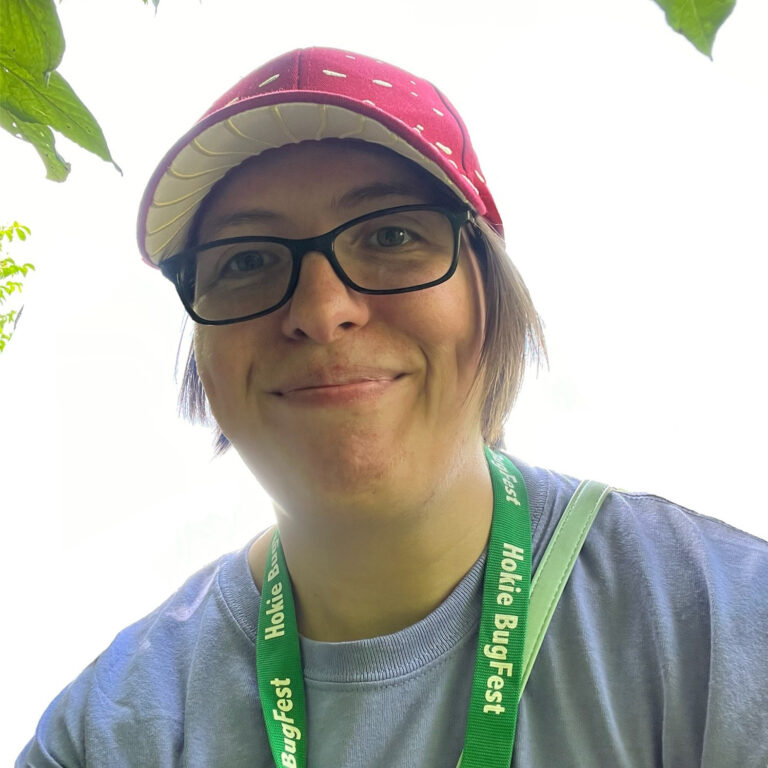
Headshot of Dr. Anne Jones

Dr. Anne Jones

Postdoctoral Researcher
Department of Entomology

Dr. Jones investigates temporal and spatial changes in insecticide resistance in German cockroach populations, as well as the chemical ecology of several pest and invasive species behavior.

Thematic Area(s):

  • Biology, ecology, & ecosystem dynamics
  • Genetics, genomics, & community/population structure
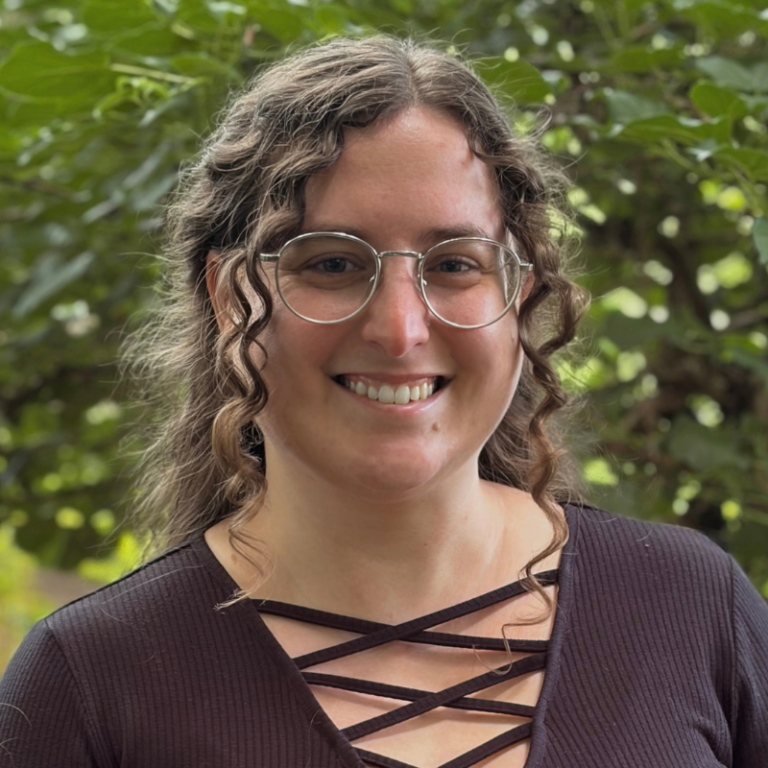
Headshot of Dr. Tom Kuhar

Dr. Thomas Kuhar

Professor
Department of Entomology

Dr. Kuhar has over twenty years of experience working on various invasive species of agricultural importance including brown marmorated stink bug, kudzu bug, spotted lanternfly, Asian jumping worm, Asian longhorned tick, and others.

Thematic Area(s):

  • Biology, ecology, & ecosystem dynamics
  • Detection, management, prevention, & eradication
Headshot of Dr. Chloé Lahondère

Dr. Chloé Lahondère

Associate Professor
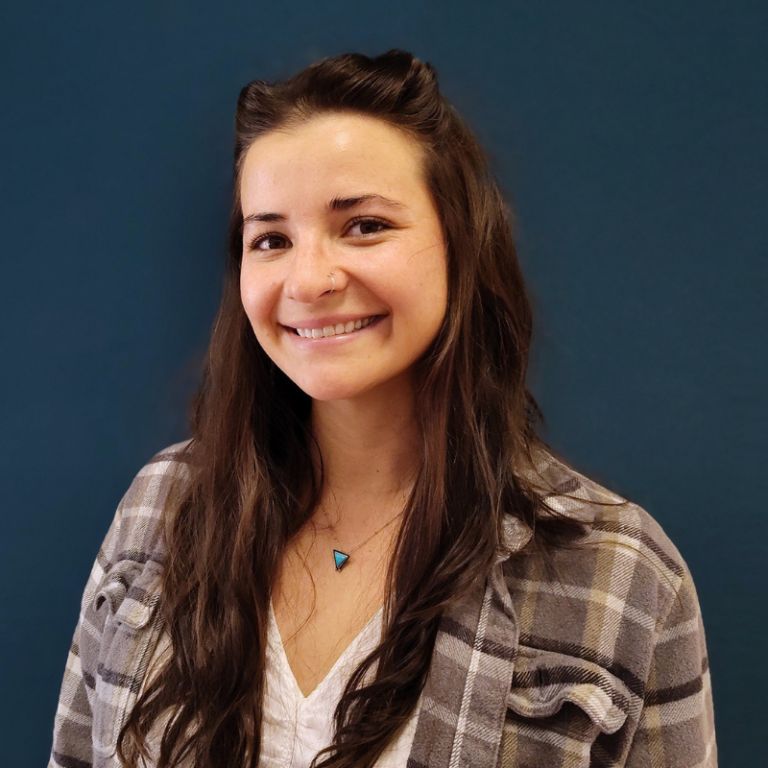
Department of Biochemistry

Dr. Lahondère researches the thermal biology, eco-physiology, and neuroethology of disease vector insects and ticks. 

Thematic Area(s):

  • Biology, ecology, & ecosystem dynamics
  • Detection, management, prevention & eradication

Headshot of Dr. Angie Larsen-Gray

Dr. Angela Larsen-Gray

Adjunct Faculty
Department of Fish and Wildlife Conservation

Dr. Larsen-Gray’s research focuses on wildlife ecology in private, working forests throughout the eastern United States.

Thematic Area(s):

  • Biology, ecology, & ecosystem dynamics

Headshot of Andrea Lopez

Andrea Lopez

Master’s Student
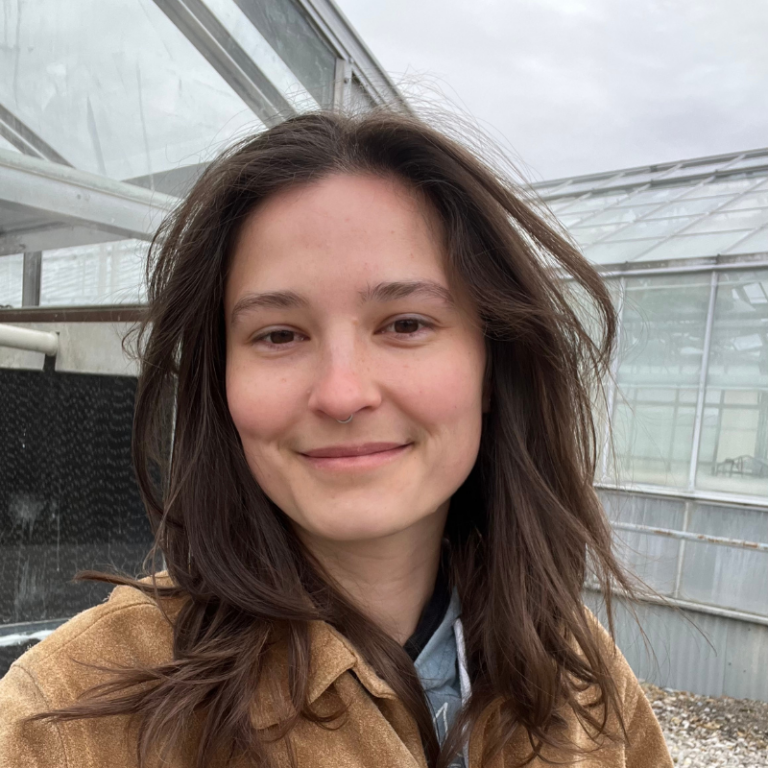
Department of Entomology

Lopez studies plant-insect interactions in invasive plant systems with a focus on management.

Thematic Area(s):

  • Biology, ecology, & ecosystem dynamics
  • Detection, management, prevention, & eradication
Headshot of Daniela Menendez

Daniela Menendez

Ph.D. Student
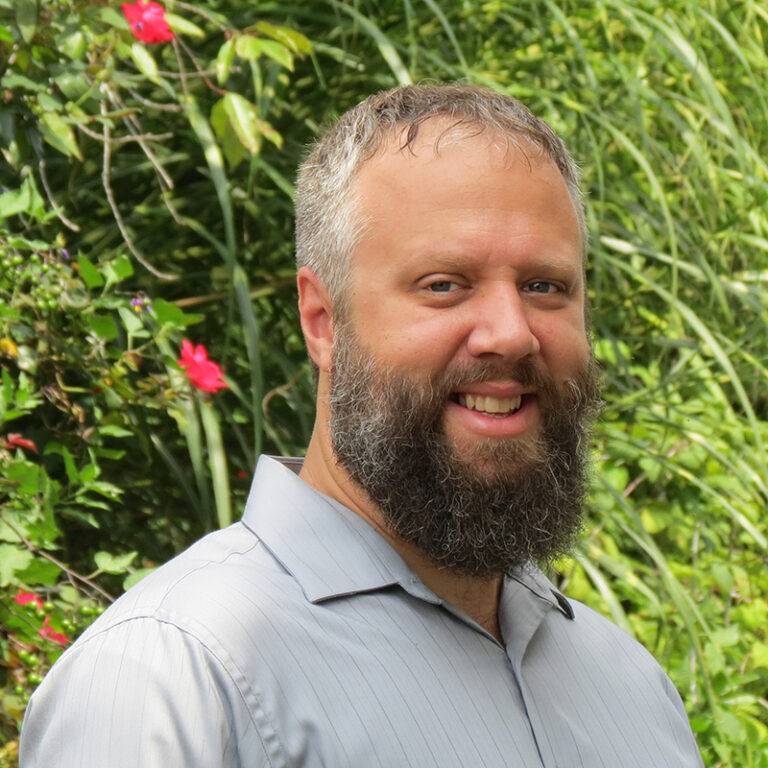
School of Plant and Environmental Sciences

Menendez investigates the impacts of the spotted lanternfly on grapevine health and physiology, its effects on fruit and wine chemistry, and its interactions with other grapevine pests and diseases.

Thematic Area(s):

  • Biology, ecology, & ecosystem dynamics
  • Community engagement & science communication
  • Detection, management, prevention, & eradication

Headshot of Dr. Lindsay Miles

Dr. Lindsay Miles

Postdoctoral Researcher
Department of Entomology

Dr. Miles uses genomic data of invasive and pest invertebrates to understand evolution in urban habitats.

Thematic Area(s):

  • Genetics, genomics, & community/population structure

Headshot of Harrison Miles

Harrison Miles

Ph.D. Student
Department of Forest Resources and Environmental Conservation

Miles studies the biological control of tree-of-heaven (Ailanthus altissima) with a soil-borne fungus (Verticillium nonalfalfae) and their interaction with spotted lanternfly (Lycorma delicatula).

Thematic Area(s):

  • Biology, ecology, & ecosystem dynamics

  • Detection, management, prevention, & eradication
Headshot of Mitch Miller

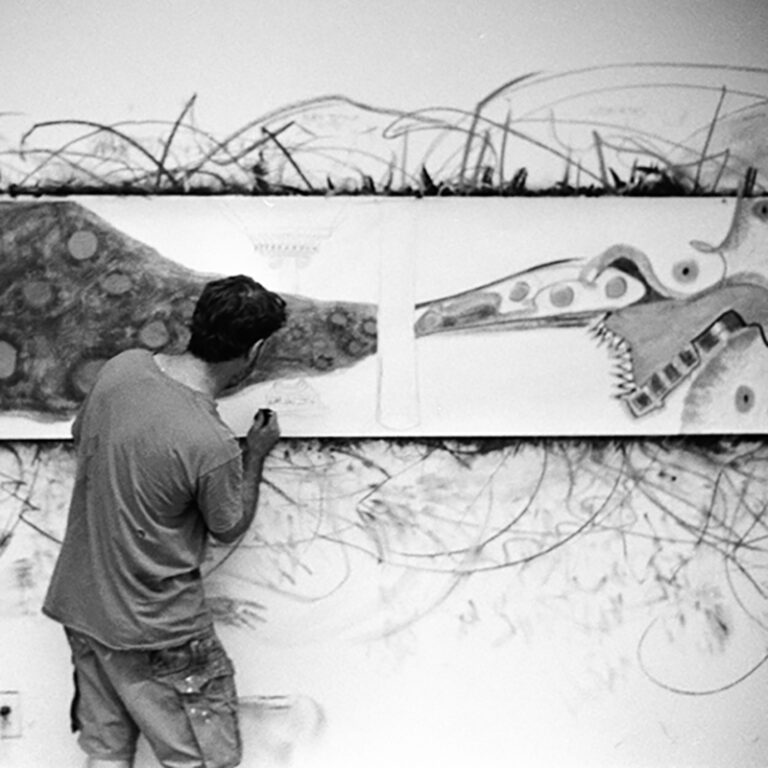
Mitch Miller

Adjunct Drawing Professor
School of Visual Arts

Miller believes art and science work well together, when they work together, which is not often enough. He has interests in all drawing, sustainable design and systems, international art fairs, bugs, and art/science collaborations.

Thematic Area(s):

  • Arts and humanities
Headshot of James Moloney

James Moloney

Ph.D. Student
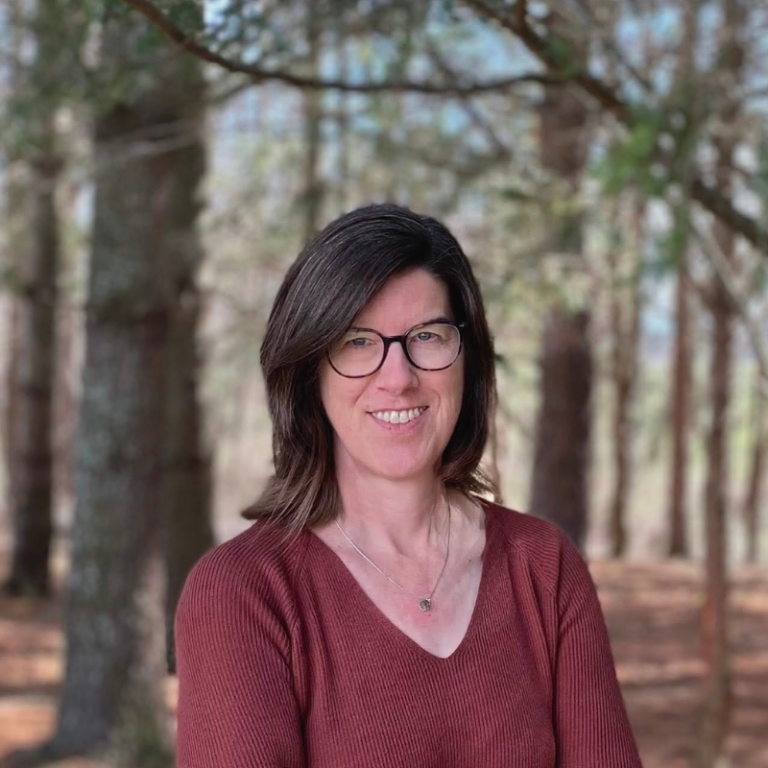
Department of Biochemistry

Moloney investigates the sugar-feeding behavior of both invasive and endemic mosquitoes. By understanding how plants use chemical signals to encourage feeding, this research may help inform strategies for controlling mosquito populations and limiting the spread of invasive species.

Thematic Area(s):

  • Biology, ecology, & ecosystem dynamics
  • Detection, management, prevention, & eradication

Headshot of Dr. Lina Ni

Dr. Lina Ni

Associate Professor
School of Neuroscience

Dr. Ni’s lab focuses on understanding how Drosophila suzukii respond to essential oils and evaluating whether these oils can serve as an effective strategy for population control.

Thematic Area(s):

  • Biology, ecology, & ecosystem dynamics
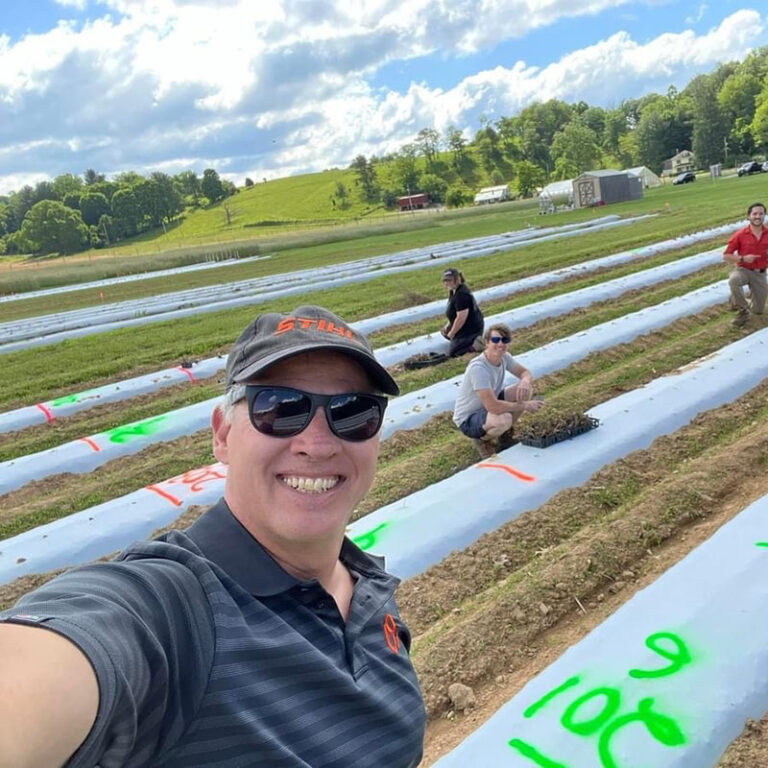
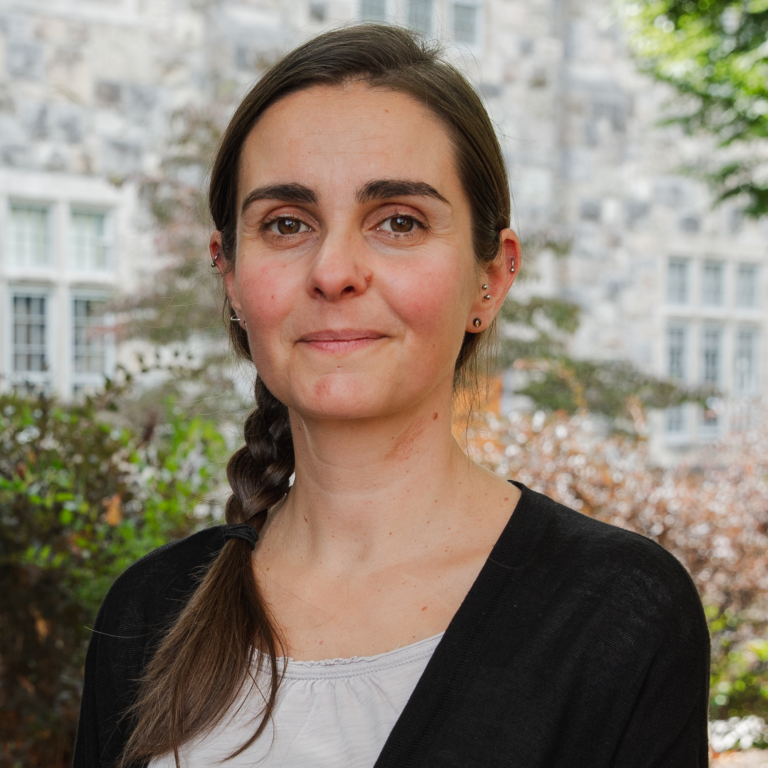
Headshot of Dr. Claudia Nunez-Penichet

Dr. Claudia Nuñez-Penichet

Postdoctoral Researcher
Department of Fish and Wildlife Conservation

Dr. Nuñez-Penichet is passionate about research that explores quantitative ecology, distributional ecology, invasive species, dispersal ecology, and biodiversity patterns.

Thematic Area(s):

  • Biology, ecology, & ecosystem dynamics
  • Community engagement & science communication
  • Detection, management, prevention, & eradication

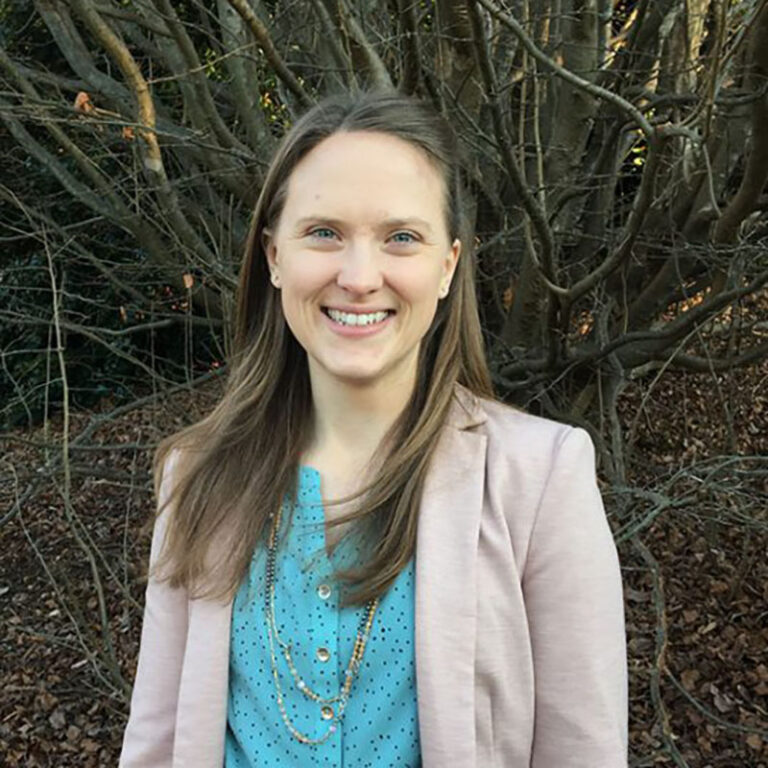
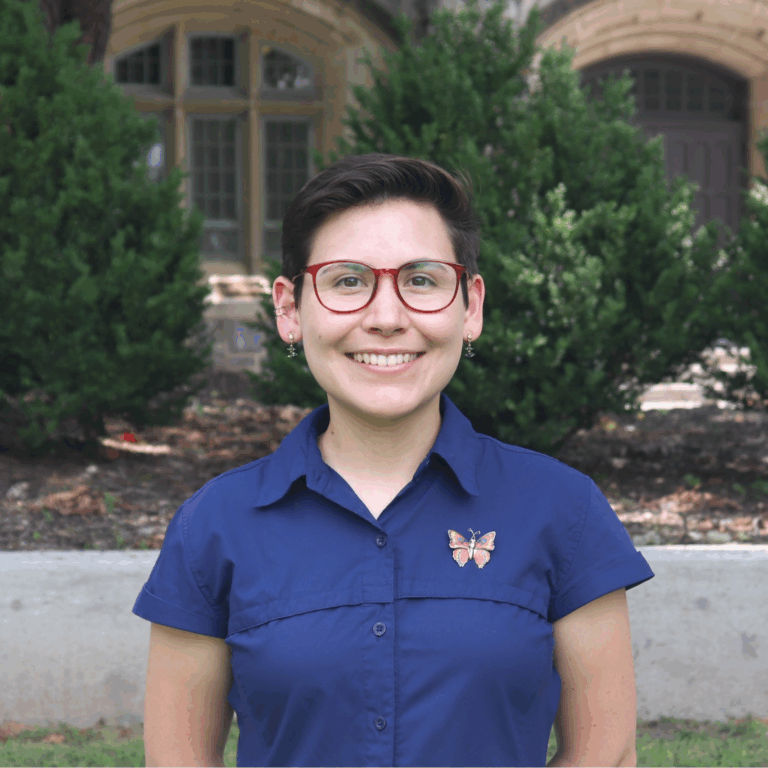
Headshot of Dr. Ksenia Onufrieva

Dr. Ksenia Onufrieva

Research Scientist
Department of Entomology

Dr. Onufrieva coordinates and manages research on the optimization of mating disruption tactics against spongy moths (Lymantria dispar) in support of the national “Slow the Spread Program”.
Thematic Area(s):

  • Biology, ecology, & ecosystem dynamics
  • Detection, management, prevention, & eradication
Headshot of Shirin Parizad

Shirin Parizad

Ph.D. Student
Department of Entomology, Southern AREC

Parizad examines the roles of invasive aphids and alternative host plants in barley yellow dwarf virus transmission to understand better how environmental changes affect its spread.

Thematic Area(s):

  • Biology, ecology, & ecosystem dynamics
  • Detection, management, prevention, & eradication
  • Genetics, genomics, & community/population structure
Headshot of William Parrott

William Parrott

Master’s Student
Department of Forest Resources and Environmental Conservation

Parrott investigates the use of near-infrared spectroscopy to detect in-situ resistance in Fraser Fir (Abies fraseri, Poir.) to infestation by the balsam woolly adelgid (Adelges piceae, Ratz.).

Thematic Area(s):

  • Biology, ecology, & ecosystem dynamics
  • Detection, management, prevention, & eradication
  • Metabolomics

Headshot of Dr. Angie Peace

Dr. Angela Peace

Professor
Department of Mathematics

Dr. Peace’s research centers on mathematical modeling, particularly as it applies to biological interactions and population growth dynamics. She uses dynamical systems theory and methods to develop, analyze, and interpret biological systems in ecology and epidemiology.

Thematic Area(s):

  • Biology, ecology, & ecosystem dynamics
  • Detection, management, prevention, & eradication
  • Mathematical modeling
Headshot of Dr. Scott Salom

Dr. Scott Salom

Professor and Graduate Program Director
Department of Entomology

Dr. Salom researches forest insect and weed pests, with an emphasis on developing tools and strategies to improve management for those pests. His main area of focus is the biological control of hemlock woolly adelgid and tree of heaven.

Thematic Area(s):

  • Biology, ecology, & ecosystem dynamics
  • Detection, management, prevention, & eradication
Headshot of Peter Schiff

Peter Schiff

Master’s Student
Department of Entomology

Schiff’s current research focuses on the biosurveillance of the invasive spotted lanternfly.

Thematic Area(s):

  • Biology, ecology, & ecosystem dynamics
  • Detection, management, prevention, & eradication
Headshot of Dr. Michael Schwarz

Dr. Michael Schwarz

Associate Director
Virginia Seafood AREC

With a global career in sustainable aquaculture and coastal resilience, Dr. Schwarz has led and supported projects across the Americas, Asia, Europe, India, Africa, and the Middle East. He is currently the Virginia Tech lead on the “Virginia Invasive Blue Catfish Initiative”.

Thematic Area(s):

  • Biology, ecology, & ecosystem dynamics
  • Detection, management, prevention, & eradication
  • Restoration ecology

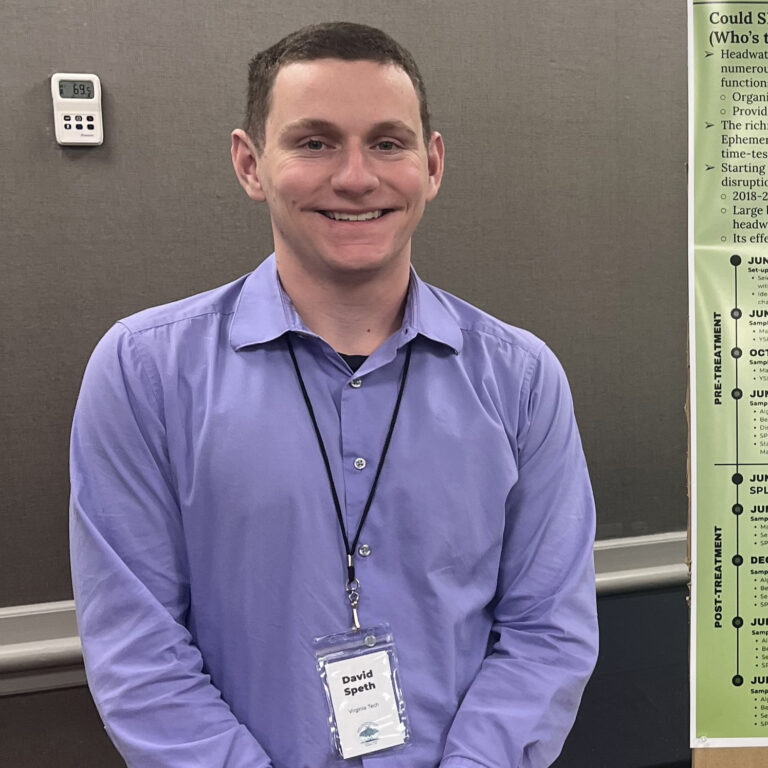
Headshot of David Speth

David Speth

Master’s Student
Department of Entomology

Speth investigates how a mating disruption treatment, used to control the spread of the invasive spongy moth, impacts forested headwater streams and their insect communities.

Thematic Area(s):

  • Biology, ecology, & ecosystem dynamics
  • Detection, management, prevention, & eradication

Headshot of Grace Stern

Grace Stern

VCE Master Gardener Program Coordinator & Master’s Student
Department of Entomology

As the VCE Master Gardener Program Coordinator, Stern supports and directs the work of over 5,000 volunteers and serves as a resource on plant health and environmental stewardship issues. In her role as a Master’s student, Stern is researching the presence and impact of Allium leafminer (Phytomyza gymnostoma) in Virginia.

Thematic Area(s):

  • Biology, ecology, & ecosystem dynamics
  • Community engagement & science communication
  • Detection, management, prevention, & eradication


Headshot of Mark Sutphin

Mark Sutphin

ANR (Horticulture) Extension Agent
Virginia Cooperative Extension

Sutphin provides education and outreach about horticultural pests, including spotted lanternfly, box tree moth, spongy moth, and tree-of-heaven.

Thematic Area(s):

  • Detection, management, prevention, & eradication
  • Community engagement & science communication

Headshot of Dr. Esra Buyuktahtakin Toy

Dr. Esra Buyuktahtakin Toy

Associate Professor
Grado Department of Industrial and Systems Engineering

Dr. Buyuktahtakin Toy’s research explores optimal management of invasive species with mathematical modeling and artificial intelligence. Past species of interest include the emerald ash borer in North America, Sericea Lespedeza in the Great Plains, and buffelgrass in the Sonoran Desert.

Thematic Area(s):

  • Biology, ecology, & ecosystem dynamics
  • Detection, management, prevention, & eradication
  • Social science, economics, & policy
Headshot of Natale Urquhart

Natale Urquhart

Lab Manager
Department of Entomology

Urquhart serves as the Lab Manager for the Endriss Lab. In this role, Urquhart assists with research projects and oversees lab operations while coordinating efforts to manage invasive species including spotted lanternfly, tree of heaven, and knotweed.

Thematic Area(s):

  • Biology, ecology, & ecosystem dynamics
  • Detection, management, prevention, & eradication
  • Restoration ecology

Headshot of Sophia Vrh

Sophia Vrh

Ph.D. Student
School of Plant and Environmental Sciences

Vrh’s dissertation project explores the ecosystem dynamics of plant and animal communities in Grayson Highlands State Park using interdisciplinary methods to elucidate species interactions and inform park management.

Thematic Area(s):

  • Biology, ecology, & ecosystem dynamics
  • Detection, management, prevention, & eradication
  • Genetics, genomics, & community/population structure

Headshot of Dr. James Wilson

Dr. James Wilson

Extension Apiculturist
Entomology

Invasive species reshape surrounding landscapes, and efforts to manage them can have important implications for the effectiveness of pollinator protection strategies. Working with beekeepers and growers across Virginia, Dr. Wilson studies the interactions between invasive species and their impacts on honey bee health and the state’s agricultural systems.

Thematic Area(s):

  • Biology, ecology, & ecosystem dynamics
  • Community engagement & science communication
  • Detection, management, prevention, & eradication
Headshot of Dr. Patricia Wooden

Dr. Patricia Wooden

Lab Manager
Virginia Tech Insect Identification Lab

Wooden manages the Virginia Tech Insect Identification Lab (VTIIL), identifying invasive species and providing guidance to Extension agents, professionals, and the public. Wooden also coordinates the “Museums in Miniature” project, which supplies native and invasive insect specimens to schools and libraries for educational use.

Thematic Area(s):

  • Biology, ecology, & ecosystem dynamics
  • Community engagement & science communication
  • Detection, management, prevention, & eradication