Appalachia’s Edible Landscape
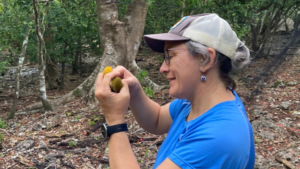
Students in Dr. Jacob Barney’s invasive species class get to eat what they study. They cook up creative dishes that include blue catfish, wild boar, chickweeds, bamboo, kudzu, autumn olive, and wineberries.
Articles from VT News that highlight invasive species education, research, & engagement

Students in Dr. Jacob Barney’s invasive species class get to eat what they study. They cook up creative dishes that include blue catfish, wild boar, chickweeds, bamboo, kudzu, autumn olive, and wineberries.

Each year, volunteers volunteer thousands of hours to science, stewardship, and education.

Working with multiple Indigenous communities and academic institutions, this collaborative project explores Indigenous perspectives on Bimiizii (sea lamprey), an invasive species introduced to the Great Lakes in the mid-1800s.

The boxwood is one of the most popular ornamental evergreen shrubs in the U.S. Known for low maintenance requirements and resistance to deer, these beloved ornamental plants are used in homeowners’ yards and landscaping across Virginia. Now, an invasive insect is threatening them.

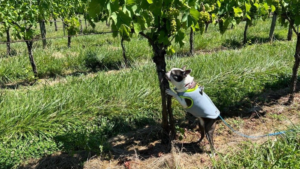
A new study led by Virginia Tech found that volunteer dog-handler teams — made up of everyday people and their pets — can effectively detect the elusive egg masses of the spotted lanternfly, an invasive insect that’s damaging farms and forests across the eastern and central U.S.

Virginia Tech researchers, led by Dr. Scotty Yang in the Department of Entomology, have found a new way to determine if spotted lanternflies have invaded a new area by using ants.

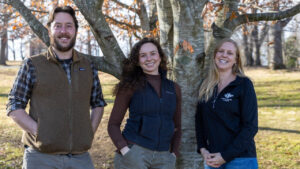
Over the last year, the Invasive Species Collaborative has been busy supporting an invasive species cluster hire. The Collaborative is excited to announce that four out of seven positions have been filled.

A team led by two Virginia Tech researchers recently compared the whole genome sequence of two genetically distinct lineages of bed bugs. Their findings indicate the human-associated lineage followed a similar demographic pattern as humans and may well be the first true urban pest.

In late April, Dr. Aníbal Pauchard, a professor at the Faculty of Forestry Sciences at the University of Concepción in Chile and Director of the Institute of Ecology and Biodiversity, visited the Invasive Species Collaborative at Virginia Tech.

The Invasive Species Collaborative had an amazing time coordinating not one, but two events on April 25 and 26. The Collaborative also had the sincere pleasure of hosting Dr. Aníbal Pauchard, an international expert on biological invasions.

A study published in the Journal of Medical Entomology details how a team of Virginia Tech researchers discovered a gene mutation that could contribute to insecticide resistance in bed bugs.

Jacob Barney, professor of invasive plant ecology in the College of Agriculture and Life Sciences, has been appointed by the U.S. Department of the Interior’s Office of the Secretary to serve a two-year term on the Invasive Species Advisory Committee.