From classroom question to research partnership
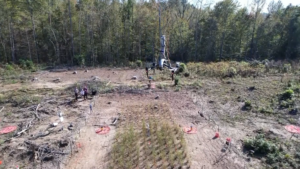
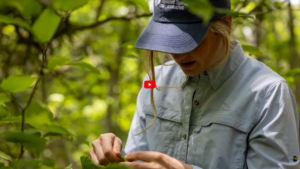
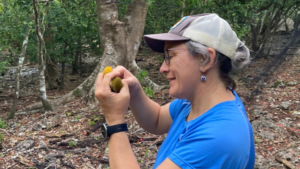
An alum returns as an industry partner, collaborating with her former professor on a research project to examine treatments for beech leaf disease and oak wilt, two serious threats to forest health.
Articles from VT News that highlight invasive species education, research, & engagement

An alum returns as an industry partner, collaborating with her former professor on a research project to examine treatments for beech leaf disease and oak wilt, two serious threats to forest health.

A new study found that species introductions, more than extinctions, are reshaping how seeds move across 120 islands worldwide.

Invasive species often thrive because they have no natural predators — yet surprisingly, some of them are not only edible to humans, but downright delicious, with flavors that could enhance a Thanksgiving table spread.

Armed with maps and 19th-century handwriting, students are reconstructing what Indiana’s forests looked like before the invasive Dutch elm disease reshaped the landscape in the early 1900s.

As the invasive spotted lanternfly continues to spread throughout Virginia, one Virginia Tech scientist says fighting the insect’s favorite tree may be the key to slowing the growth of both.

Non-native salamanders threaten California tiger salamanders by interbreeding with them, putting the native species at risk of genetic extinction. Researchers at Virginia Tech have developed models showing that managing pond water levels and selectively removing hybrids can help protect the native salamander population.

Dr. Lindsay Miles joined Virginia Tech’s “Curious Conversations” to talk about her research on bed bugs, focusing on genomic sequencing, the history of bed bug populations, and the implications of their mutations.

Students in Dr. Jacob Barney’s invasive species class get to eat what they study. They cook up creative dishes that include blue catfish, wild boar, chickweeds, bamboo, kudzu, autumn olive, and wineberries.

Working with multiple Indigenous communities and academic institutions, this collaborative project explores Indigenous perspectives on Bimiizii (sea lamprey), an invasive species introduced to the Great Lakes in the mid-1800s.

The boxwood is one of the most popular ornamental evergreen shrubs in the U.S. Known for low maintenance requirements and resistance to deer, these beloved ornamental plants are used in homeowners’ yards and landscaping across Virginia. Now, an invasive insect is threatening them.

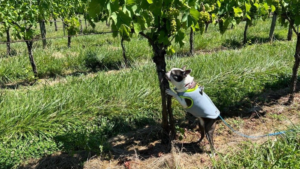
A new study led by Virginia Tech found that volunteer dog-handler teams — made up of everyday people and their pets — can effectively detect the elusive egg masses of the spotted lanternfly, an invasive insect that’s damaging farms and forests across the eastern and central U.S.

Virginia Tech researchers, led by Dr. Scotty Yang in the Department of Entomology, have found a new way to determine if spotted lanternflies have invaded a new area by using ants.