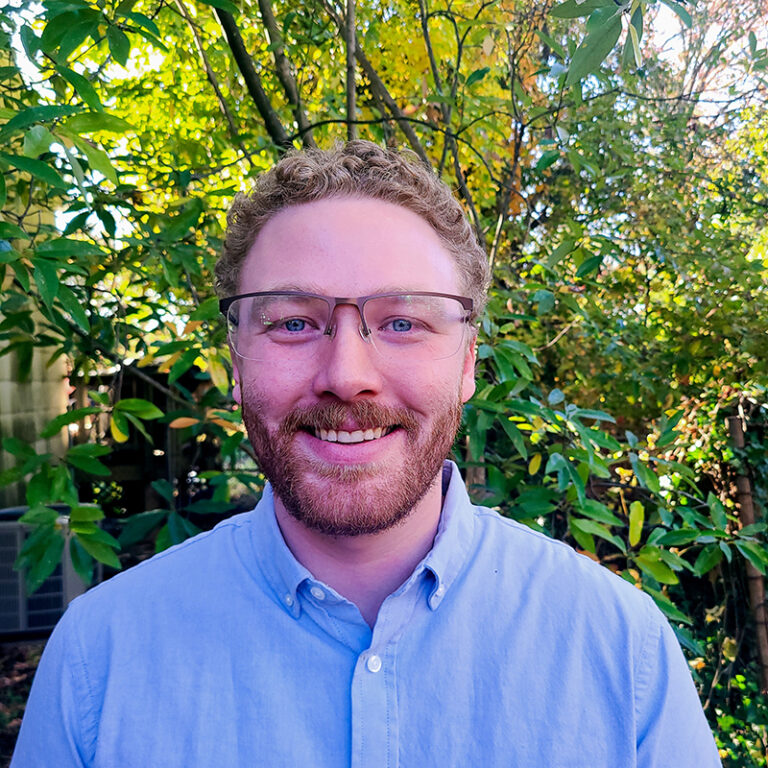
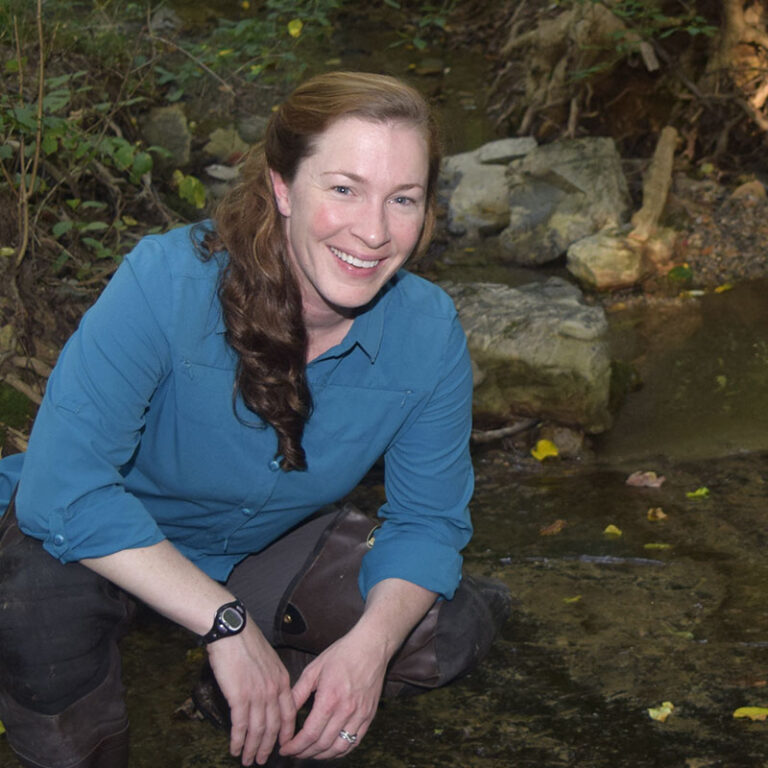
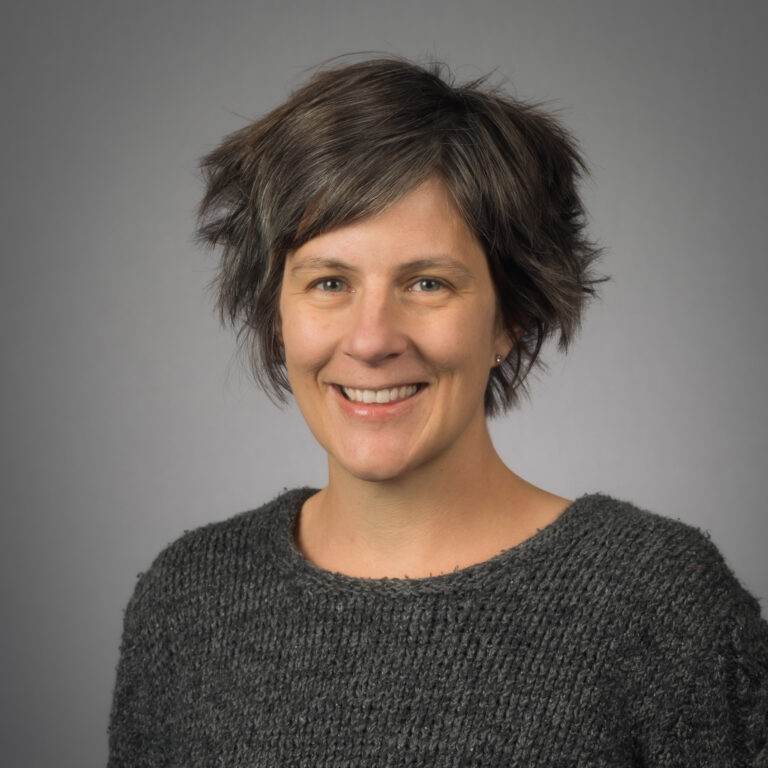
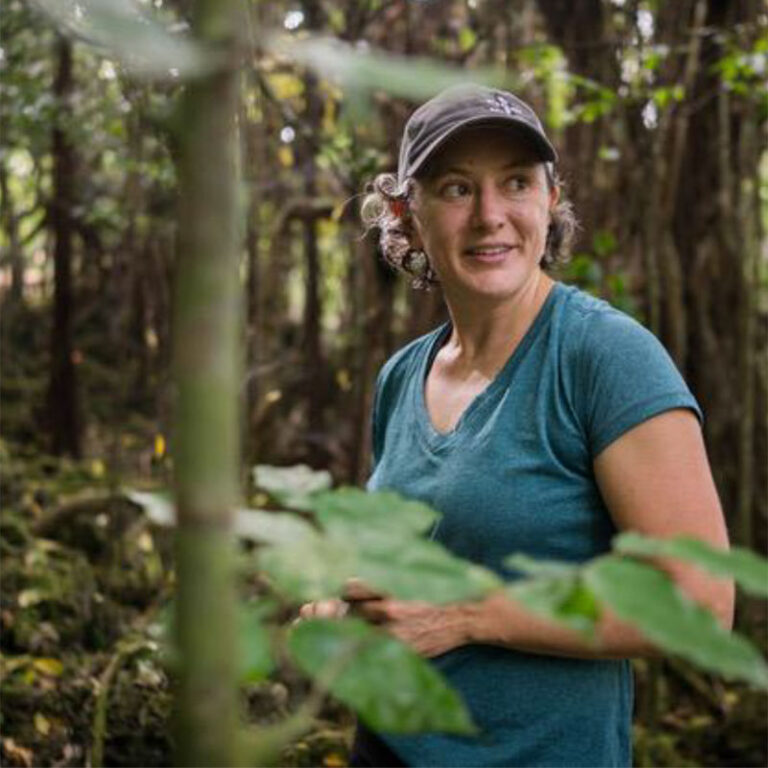
Comprised of representatives from multiple colleges and disciplines, the ISC Steering Committee guides the collaborative’s strategic priorities and fosters partnerships that strengthen invasive species research, education, and engagement across Virginia Tech.
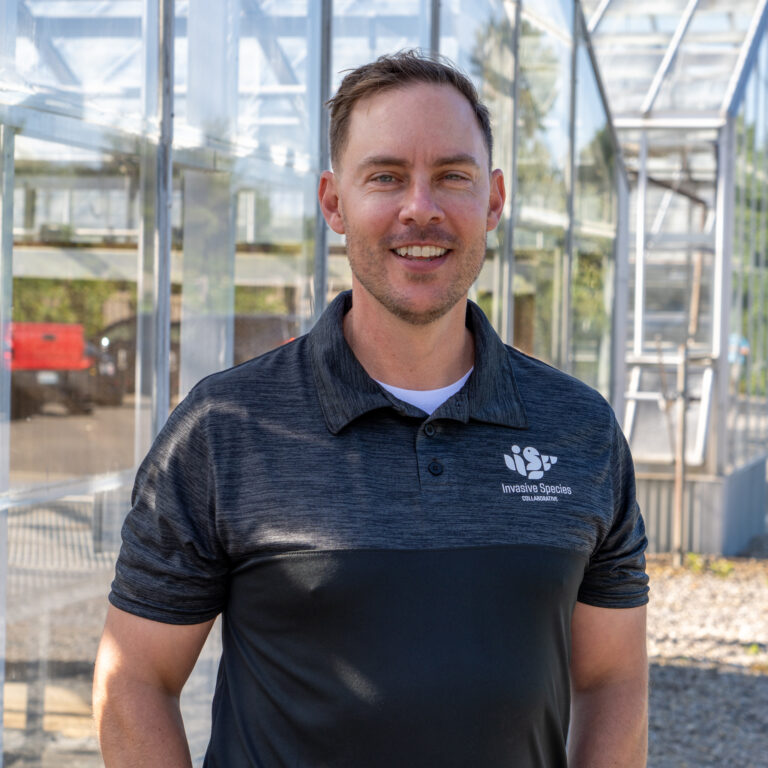
Dr. Jacob Barney
ISC Director and Professor
School of Plant and Environmental Sciences
Dr. Barney’s research is broadly focused on the causes, consequences, epidemiology, management, and policy of invasive plant species.
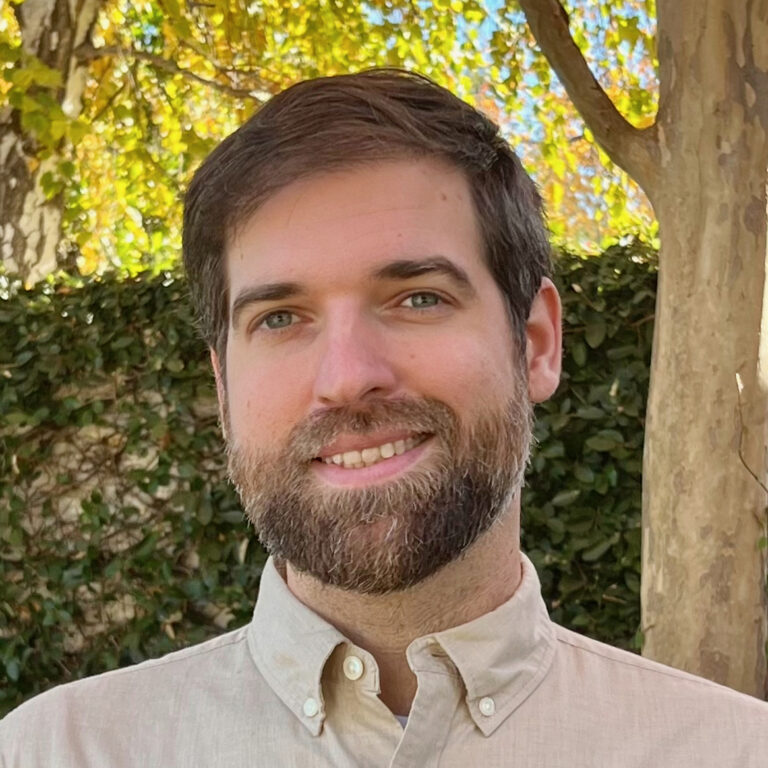
Dr. Cooper uses genomic techniques to understand the health of populations and their resilience to anthropogenic pressures, including invasive species and habitat alteration.
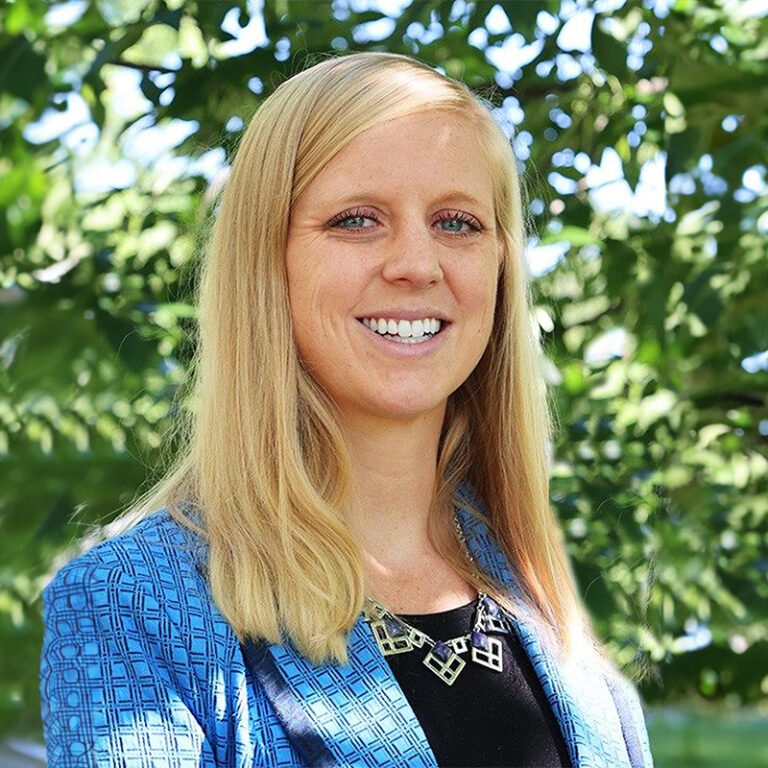
Dr. Dickinson’s research focuses on the welfare and performance of conservation and agricultural detection dogs. Her most recent project explores how volunteer dog-handler teams — made up of everyday people and their pets — can effectively detect spotted lanternfly egg masses.
Department of Forest Resources and Environmental Conservation
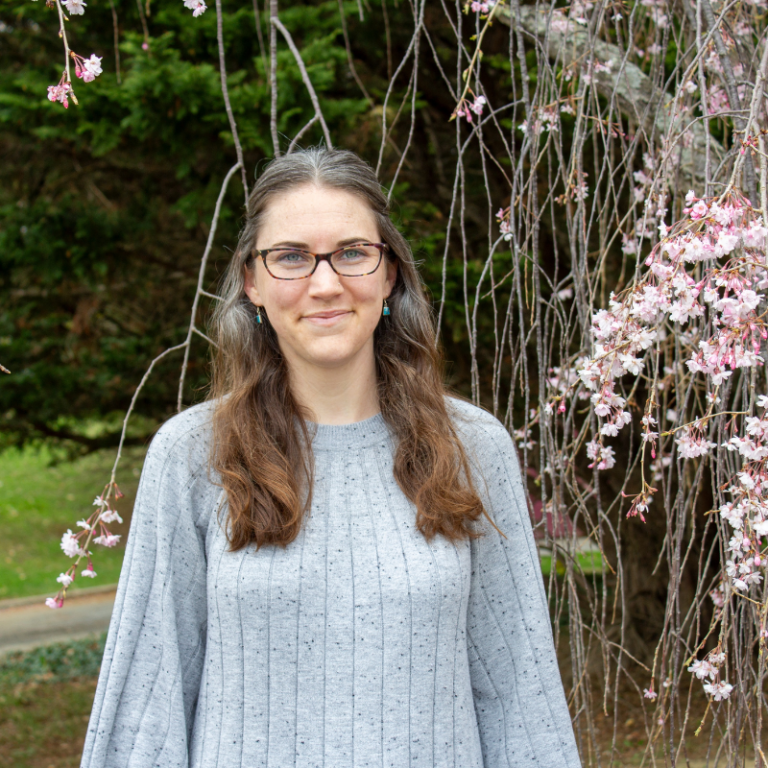
Dr. Fearer’s research explores the micro- and macro- level impacts of nonnative pathogens on forest ecosystems. She has studied laurel wilt disease, beech bark disease, beech leaf disease, and walnut witches’ broom.
Hallie is the Program Coordinator for the Invasive Species Collaborative (ISC) at Virginia Tech. A proud alumna of Virginia Tech (B.S. Natural Resources Conservation) and the University of Georgia (Masters of Agricultural and Environmental Education), she has a passion for practical and ethical land management. Hallie brings nearly ten years of natural resource management experience to the ISC and is now responsible for overseeing a diverse portfolio of programmatic, communicative, and administrative activities.
Department of Forest Resources and Environmental Conservation
Miles studies the biological control of tree-of-heaven (Ailanthus altissima) with a soil-borne fungus (Verticillium nonalfalfae) and their interaction with spotted lanternfly (Lycorma delicatula).
Dr. Mims’ research investigates how species’ traits and environmental attributes interact to influence community and population structure of aquatic organisms. Her overarching goal is to uncover, understand, and predict differential response of aquatic species to a changing landscape and climate.
Dr. Peace’s research centers on mathematical modeling, particularly as it applies to biological interactions and population growth dynamics. She uses dynamical systems theory and methods to develop, analyze, and interpret biological systems in ecology and epidemiology.
Dr. Rogers’ research focuses on population and community ecology, plant-animal interactions, seed dispersal, pollination, food web dynamics, tropical biology, ecosystem services, and conservation. A majority of the research is conducted on the Mariana Islands, where due to the introduction of the brown tree snake, Guam’s forests are now functionally without birds.
Dr. Wald’s research explores the drivers of conflict and the barriers to effective communication in environmental contexts, including issues of trust, identity, and power in the management of water, land, and wildlife. This work informs the domains of environmental psychology, environmental and risk communication, and public policy.